
15 Food Tours Around the World Worth Travelling For
Impact-Site-Verification: -200522484
Some trips are built around museums, some around beaches. And then there are the trips you quietly plan around your next meal.
Food tours sit right at that sweet spot between “effortless” and “authentic”. You get a local guide, a curated route, dishes you’d never find alone, and all the cultural context that makes every bite feel bigger than what’s on the plate.
This guide rounds up 15 A Chef’s Tour experiences around the world that are genuinely worth booking a flight for. Each one is led by locals, focuses on real neighbourhoods rather than tourist strips, and digs into food as a living part of the city’s story.
1
Bangkok Backstreets
Bangkok, Thailand

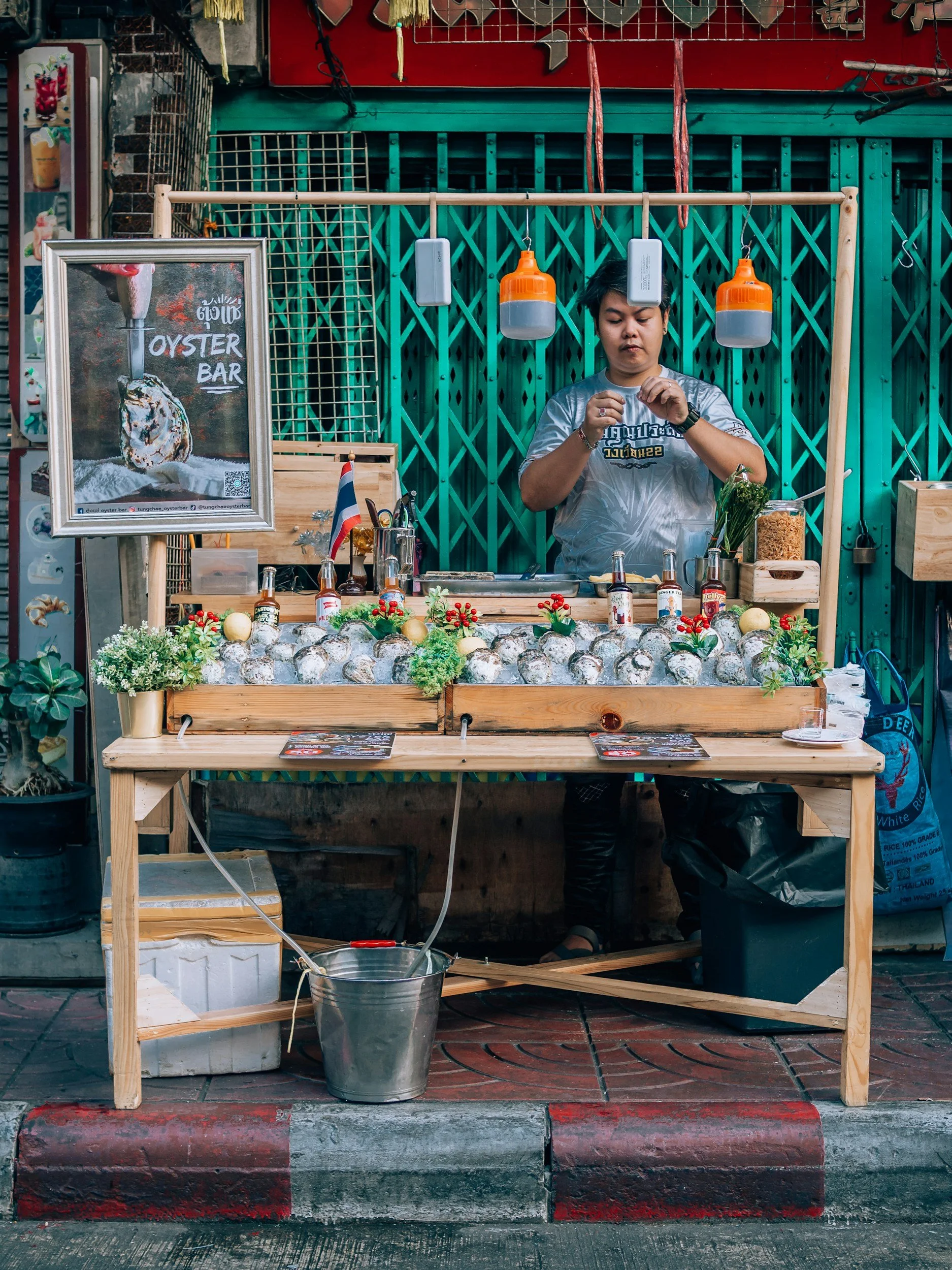
Bangkok can feel like a never-ending buffet: neon-lit markets, sizzling woks, grills balanced on bicycle wheels, tiny stools that somehow hold full-grown adults. But sheer abundance can be overwhelming, especially when you don’t know what’s safe, what’s authentic, or what’s just for tourists.
Bangkok Backstreets focuses on the alleys and neighbourhoods where Bangkok actually eats. Think grill smoke curling through narrow lanes, aunties ladling boat noodles from bubbling cauldrons, and curry stalls that have quietly fed the same families for decades.
You’re not just ticking off “pad Thai” and “mango sticky rice” here. Expect lesser-known dishes: tangy tom yum served at a counter only locals queue for, herb-packed sausages, skewers marinated in recipes older than the city’s skyscrapers. Along the way, your guide translates not just the language, but the etiquette – how to dress your noodles, how to order like a regular, how to balance salty, sour, sweet, and spicy the Thai way.
Perfect for: First-time visitors to Bangkok, street food lovers, and anyone who wants to understand why this city is constantly cited as a global food capital.
2
Old Siam
Bangkok, Thailand

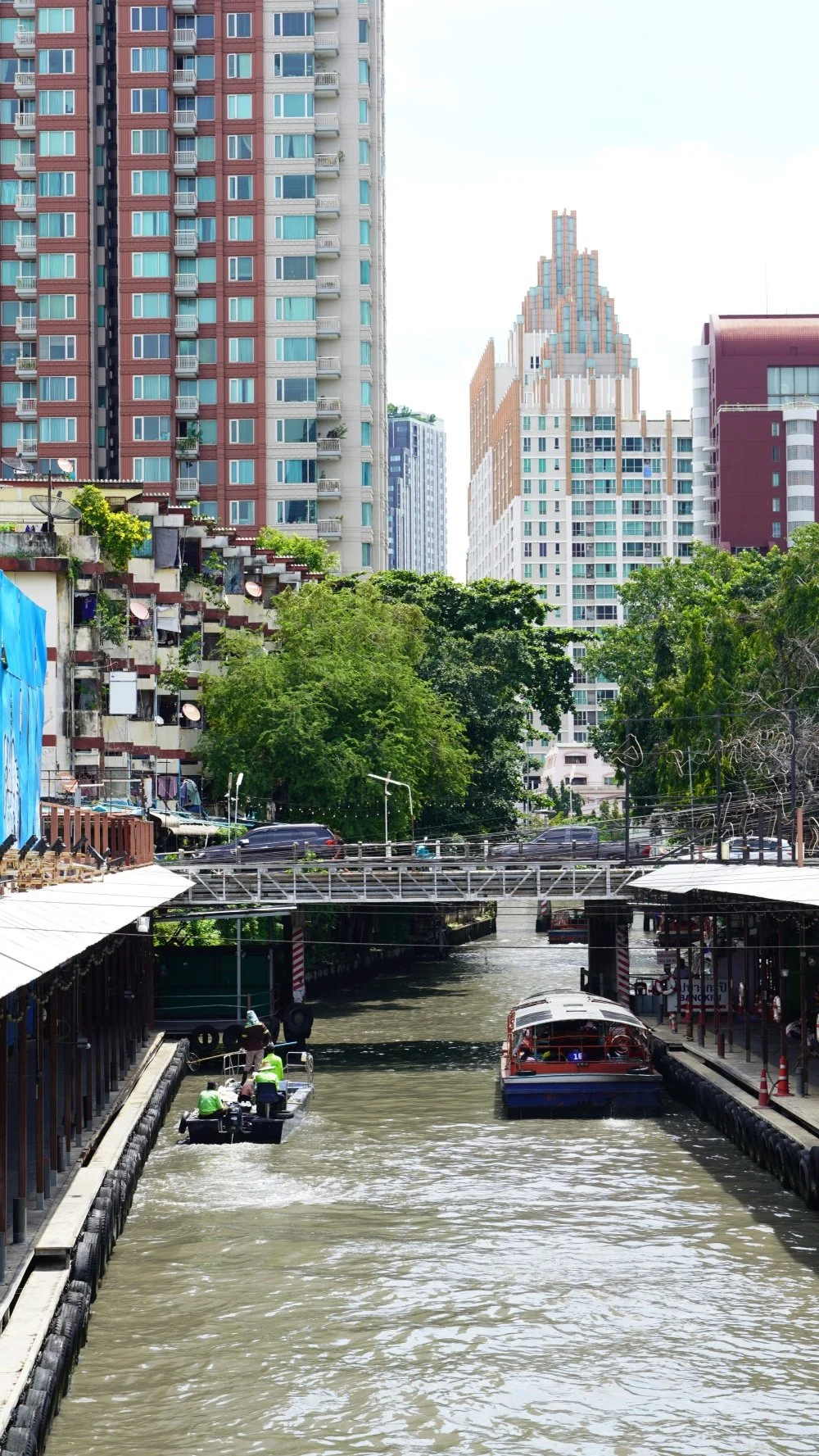
If Bangkok Backstreets is about the electric present, Old Siam is a quiet walk back into the city’s culinary past.
Old Bangkok, around the former royal districts and historic neighbourhoods, is where recipes from the royal court and early Chinese and Muslim communities evolved. On Old Siam, you’re stepping into that layered history bite by bite: traditional Thai desserts that look almost too intricate to eat, silky curries simmered to perfection, and snacks sold from carts that haven’t changed much in generations.
You’ll sample dishes that reveal Bangkok’s past as a trading port: flavours influenced by Chinese migrants, spices carried along Indian Ocean routes, and royal recipes once reserved for the elite. It’s a tour about food, yes, but also about memory, migration, and the way dishes travel and adapt over time.
Perfect for: History nerds, repeat visitors to Bangkok, and anyone who loves a bit of storytelling with their second (and third) dessert.
3
Hanoi Dusk
Hanoi, Vietnam
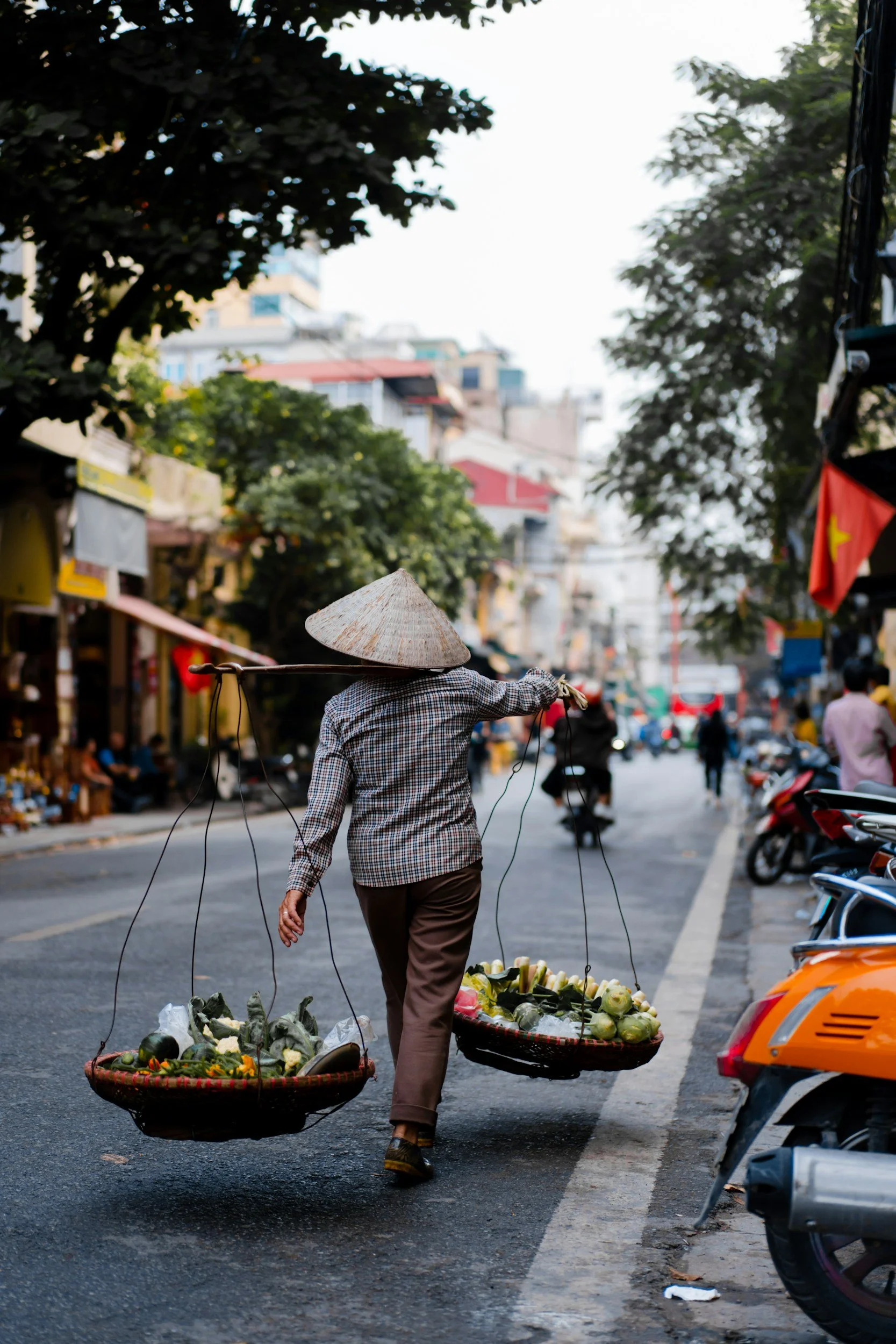
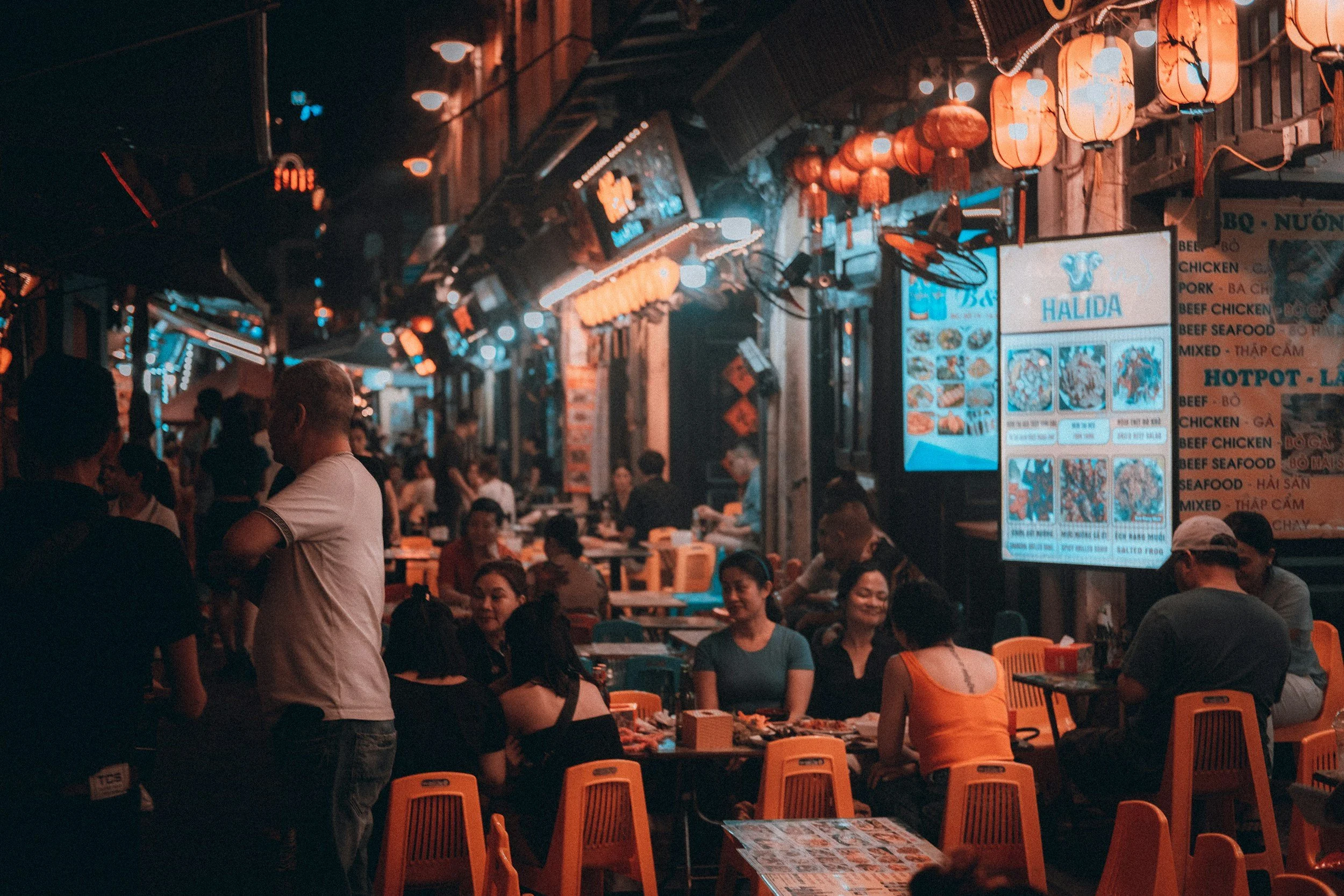
Some cities come alive at night. Hanoi doesn’t just come alive, it spills out onto every pavement and alleyway in a blur of smoke, clatter, and colour.
On Hanoi Dusk, you follow the city’s evening rhythm: locals perched on tiny stools, families sharing steaming bowls of phở, skewers charring over charcoal, and glasses of bia hơi clinking at makeshift pavement bars. It’s not a staged performance; it’s everyday life.
You might try:
Bun cha – grilled pork and herbs over rice noodles, the dish that made global headlines but still tastes best at a smoky streetside stall.
Bánh cuốn – delicate rice rolls filled with minced pork and mushrooms, topped with crispy shallots.
Egg coffee – part dessert, part caffeine hit, and pure Hanoi.
What makes this tour worth traveling for is the way it decodes Hanoi’s street food etiquette. How to cross a street without losing your nerve. How to doctor your dipping sauce like a local. How to spot the tiny places with tiny stools and huge flavors.
Perfect for: Travelers who want to dive straight into the chaos, solo travelers looking for a group vibe, and anyone who believes dinner is as important as sightseeing.
4
Berbere Bites
Addis Ababa, Ethiopia
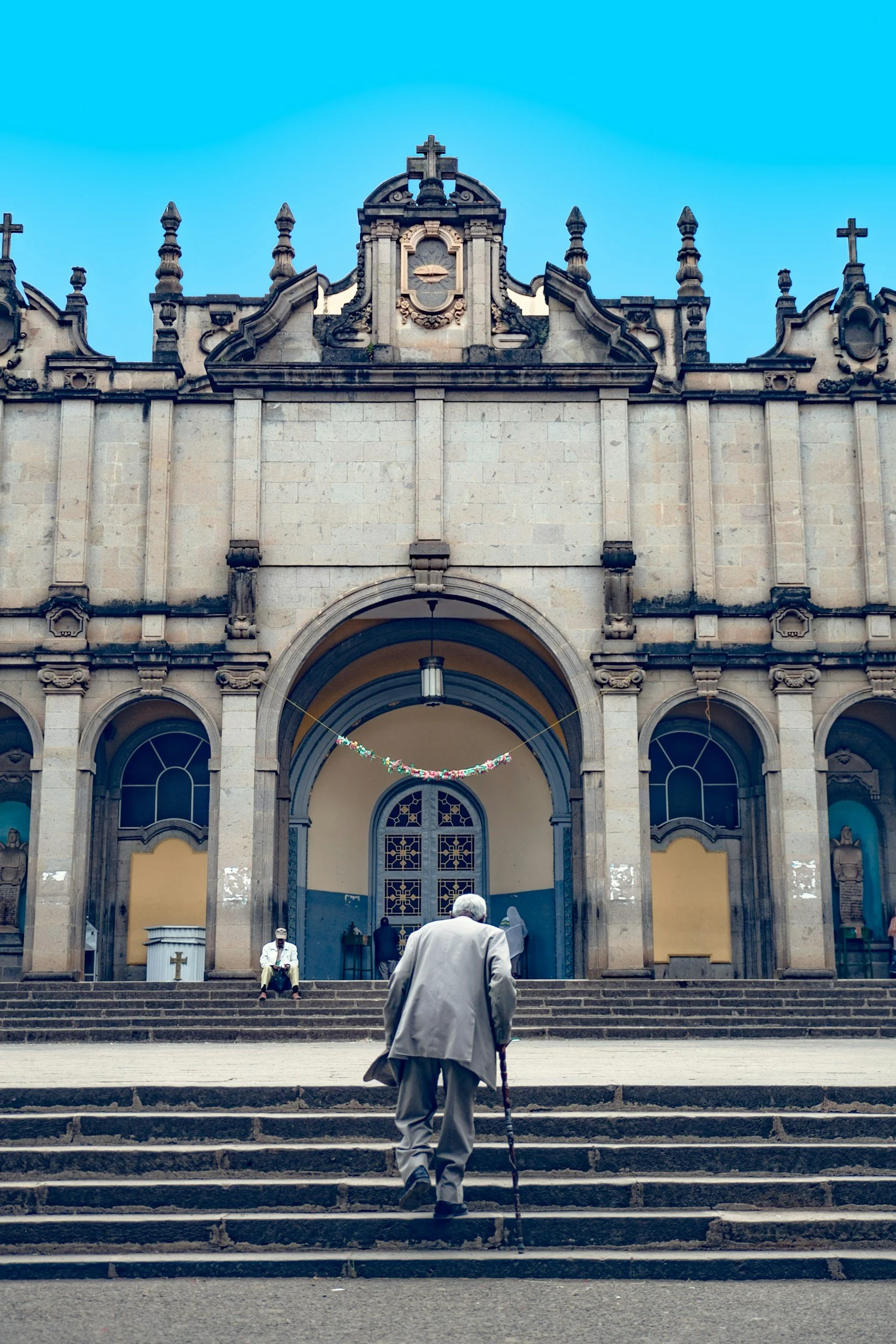
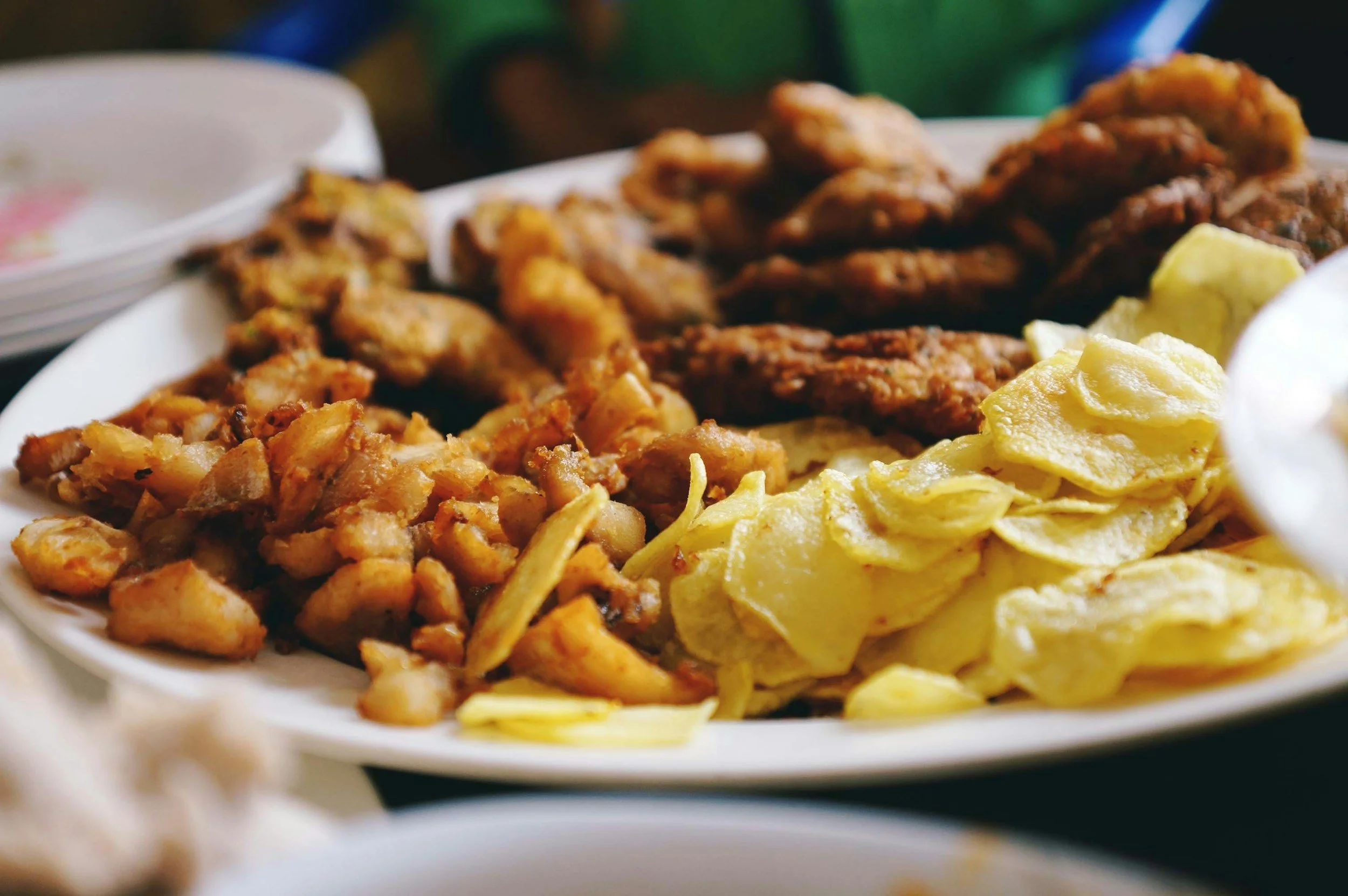
Ethiopian cuisine is one of the world’s great food traditions – complex, communal, and deeply tied to culture and ceremony. It’s also one that many travellers feel unsure about at first: Which stew is vegetarian? How spicy is “spicy”? Why does everyone eat from the same platter?
Berbere Bites in Addis Ababa answers all of that in the most satisfying way possible: by sitting you down at real tables, tearing injera with your hands, and explaining the stories behind every dish.
You’ll learn about:
Berbere, the spice blend that anchors so much of Ethiopian cooking.
Injera, the tangy, spongy flatbread that acts as both plate and utensil.
The mix of Orthodox fasting traditions and meat-heavy feasts that shape the weekly rhythm of eating.
Between stops, you’ll see how Addis is changing – new cafes, modern neighbourhoods, and an evolving food scene that still holds tightly to its roots. It’s a chance to understand not just what Ethiopians eat, but how they share, celebrate, and treat hospitality as something sacred.
Perfect for: Curious eaters, culture lovers, and anyone ready to fall in love with a cuisine they may never have tried before.
5
Mayan Meals
Antigua, Guatemala
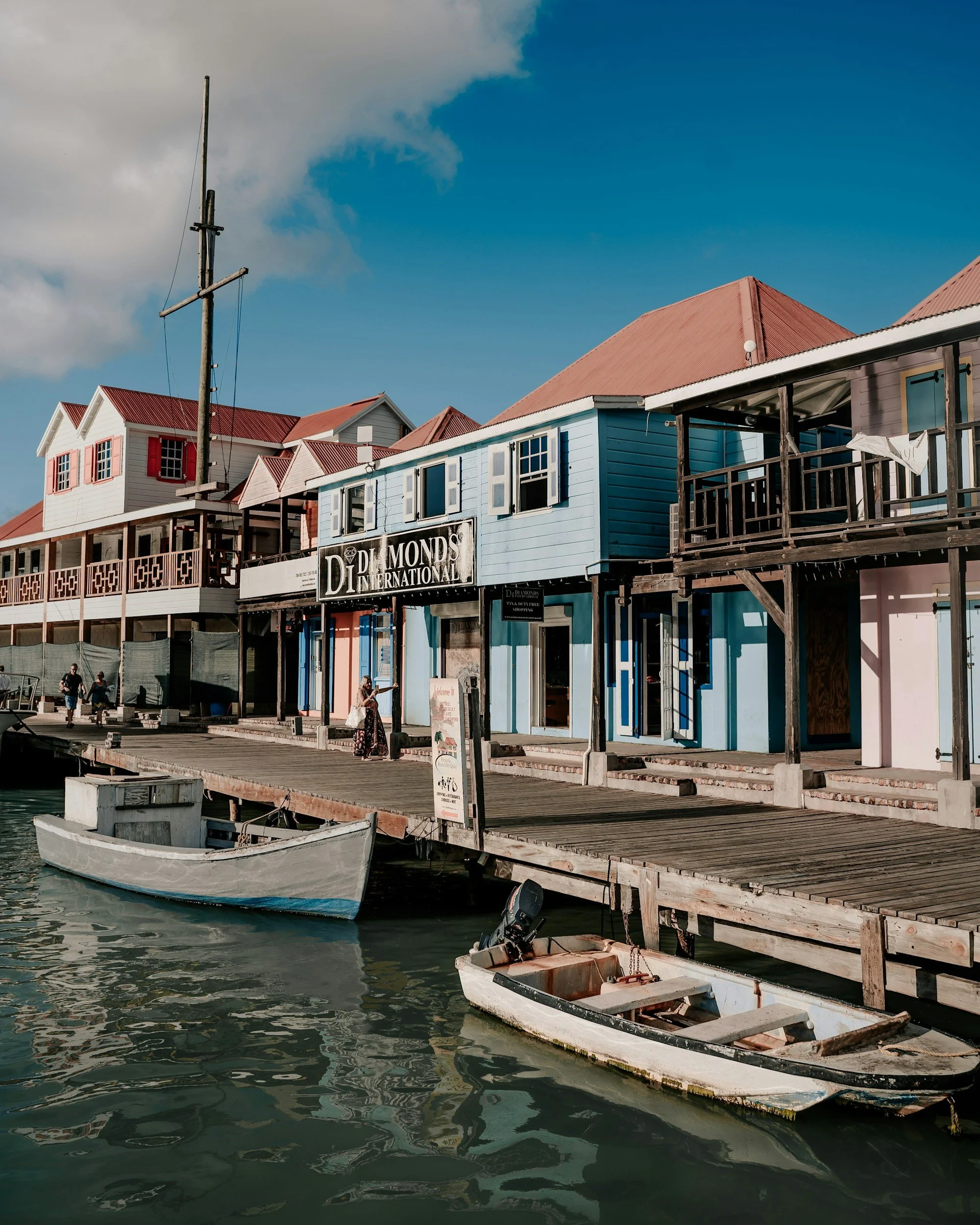
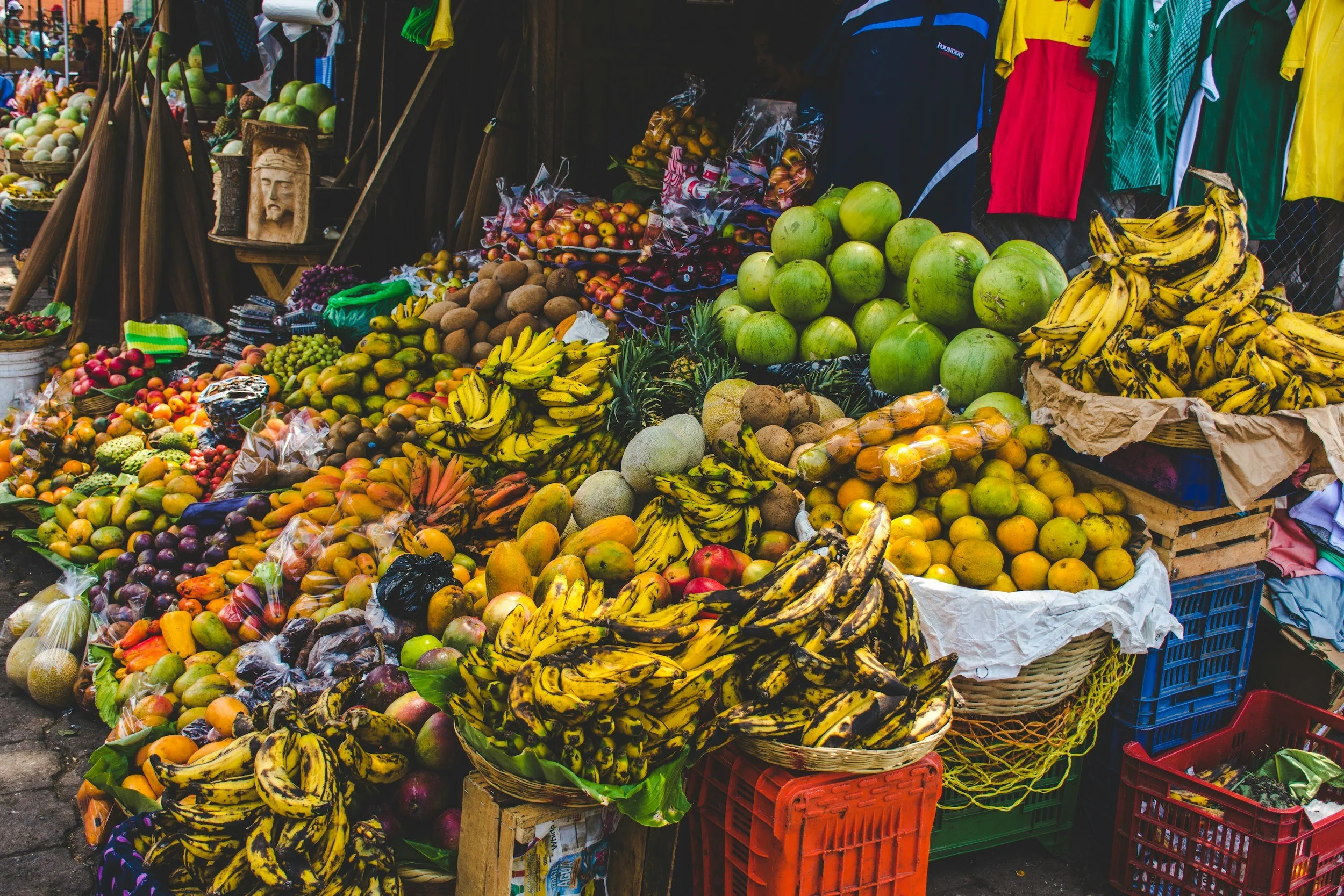
Antigua is photogenic, yes – cobbled streets, volcano views, pastel facades – but beneath the Instagram-friendly surface is a food tradition that stretches deep into Mayan history.
Mayan Meals is designed to bring that history to the table. Instead of just sampling generic “Guatemalan food”, you taste dishes rooted in indigenous ingredients and techniques: long-simmered stews, corn in every conceivable form, earthy moles, and hand-ground sauces.
Expect:
Heirloom corn varieties and tortillas that actually taste of something.
Pepián or other rich stews that showcase the fusion of indigenous and colonial influences.
A look at how markets still sit at the heart of local life.
Your guide connects plate to place: why certain dishes are eaten for celebrations, how the landscape shapes what grows here, and how Mayan traditions persist in modern kitchens.
Perfect for: Slow travelers, anyone interested in indigenous cultures, and travelers who want more from Antigua than pretty doors and coffee shops.
6
Bali Bites
Bali, Indonesia

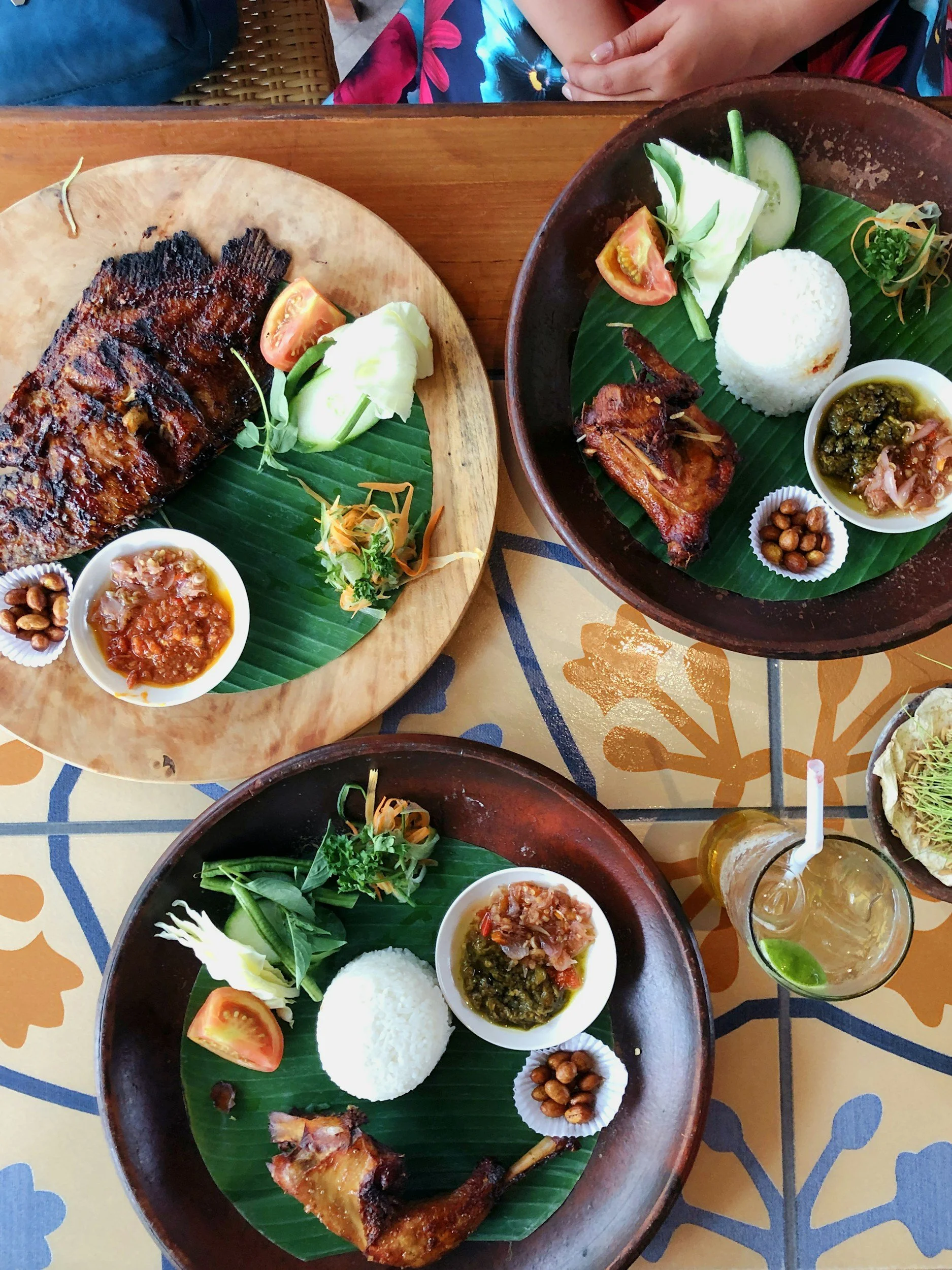
Bali is often reduced to smoothie bowls and brunch cafes, but those are mostly for visitors. Bali Bites takes you into the Balinese kitchen – fiery sambals, coconut-rich curries, and the ceremonial dishes that underpin religious and community life.
On this tour, you might encounter:
Babi guling (where appropriate), Bali’s iconic roasted pig.
Sate lilit, minced meat satay wrapped around lemongrass.
Offerings and temple-side snacks that tourists rarely understand, let alone taste.
What makes this experience “worth traveling for” is the way it cuts through the cliché of Bali as just a wellness paradise and shows you a living, breathing food culture. This is Bali in dialect, not Instagram filter.
Perfect for: Visitors who’ve already done the beach/temple circuit, food-focused travelers, and anyone curious about Balinese Hindu food traditions.
7
Viejo Bogotá
Bogotá, Colombia
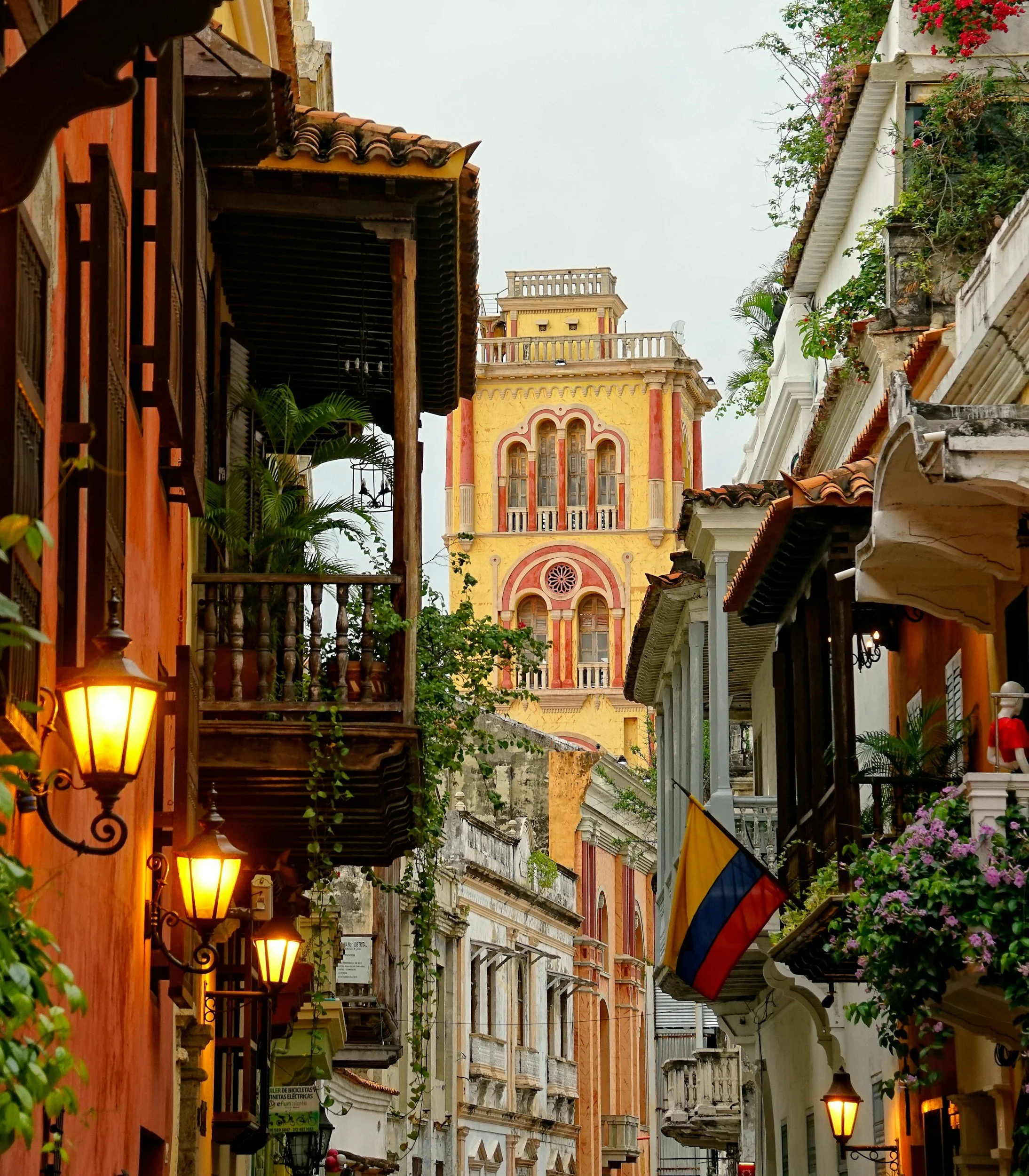
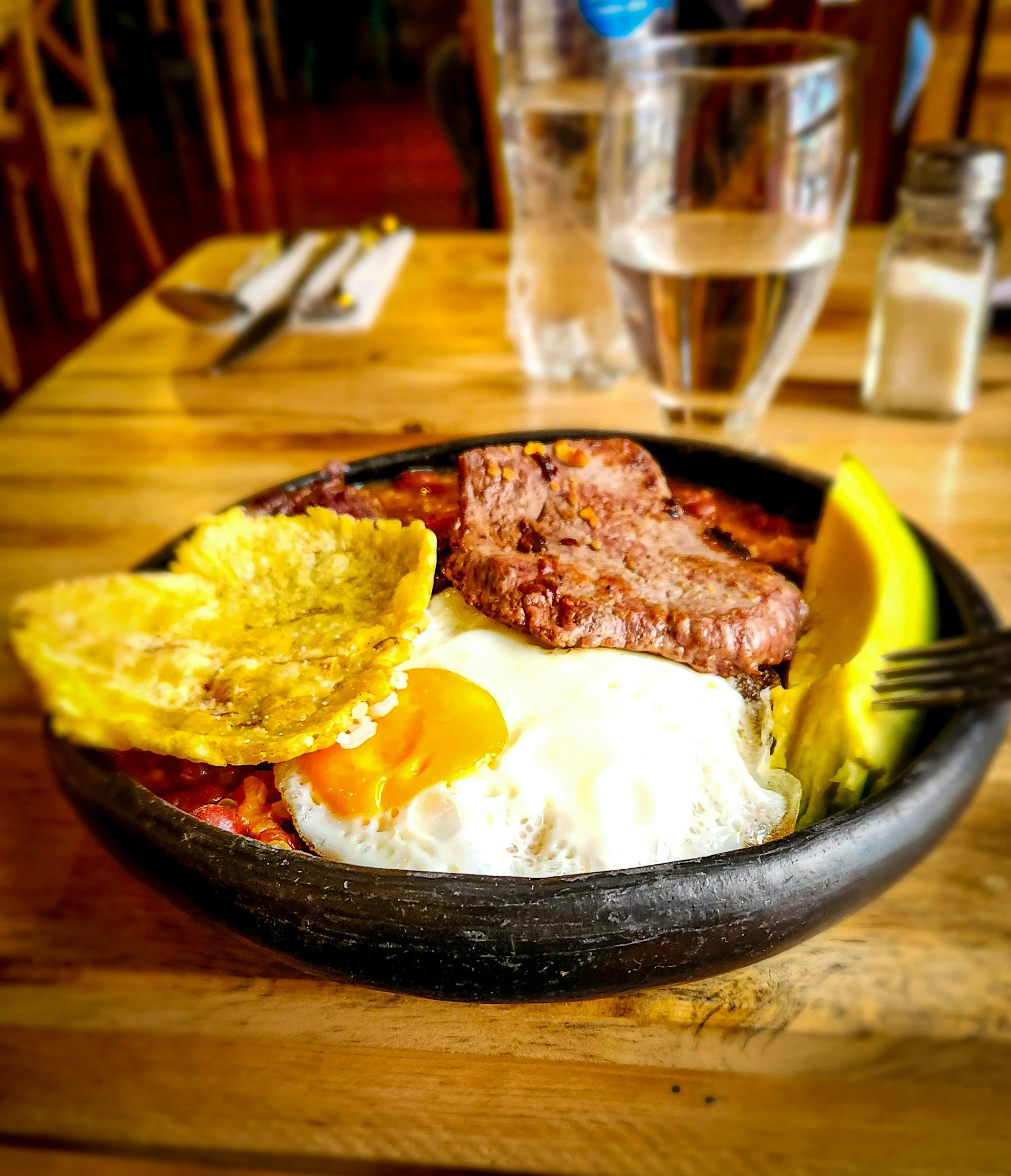
Bogotá’s food scene is often overshadowed by Colombia’s coast and coffee regions, but the capital has its own deeply comforting dishes – perfect for cool mountain evenings.
Viejo Bogotá leans into tradition: hearty soups, stuffed breads, snacks that kept generations warm through chill Andean nights. Thick ajiaco, rich with potatoes and chicken, arepas in different regional styles, maybe a sweet treat or two to finish.
Beyond the plates, this tour explores older neighbourhoods and markets where Bogotá’s identity is still written in brick, steam, and chatter. Your guide explains how Colombia’s regions show up in the capital’s kitchens, and how food mirrors the country’s complex history.
Perfect for: Travellers interested in the “everyday” food of Colombia, not just its icons, and anyone who loves soups enough to call them a reason to travel.
8
Cairo Nights
Cairo, Egypt

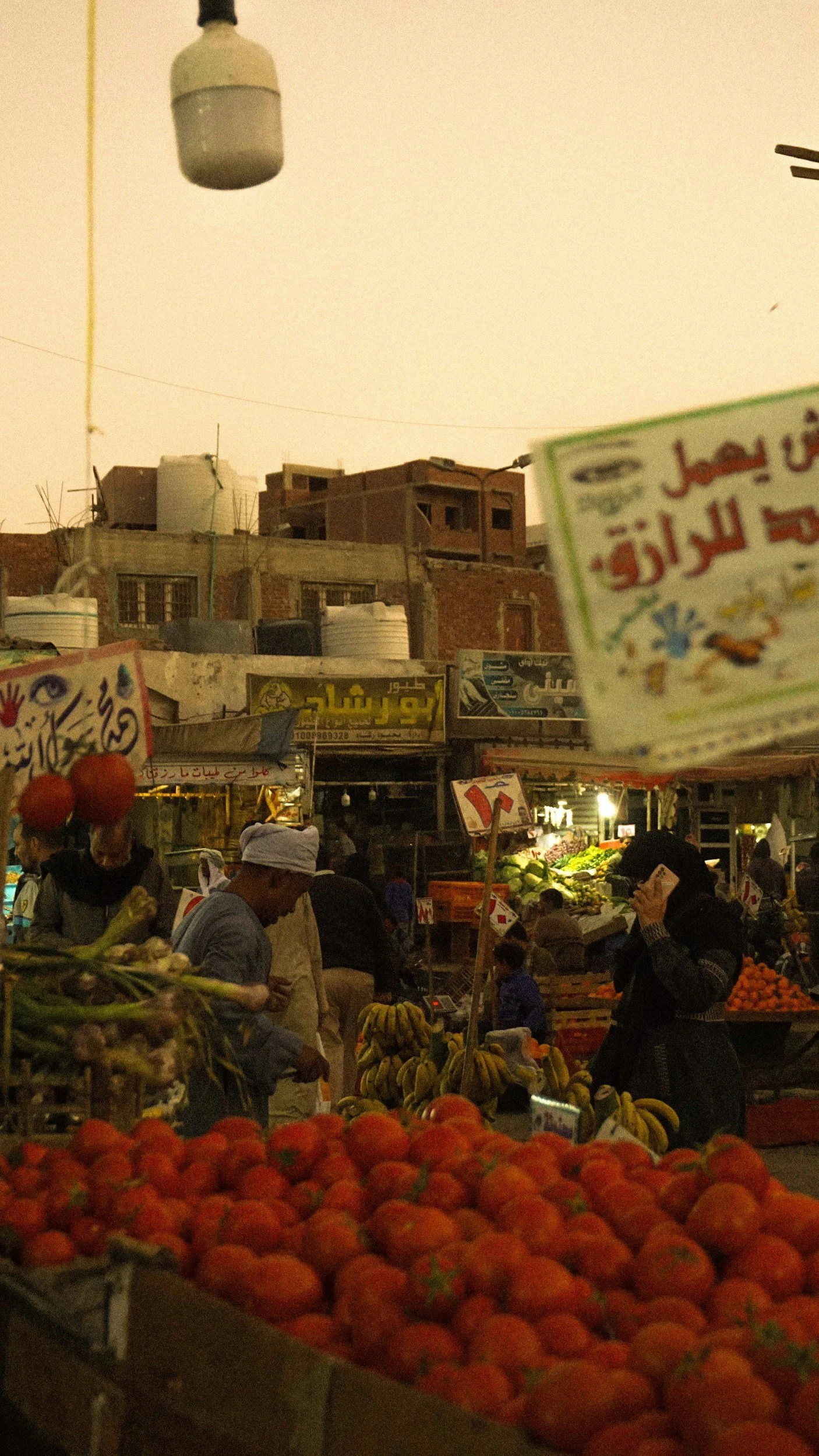
Cairo by day is busy. Cairo by night is magic.
Cairo Nights rides that shift from heat and dust to neon and charcoal. You wander through districts where grills smoke into the sky, bakers slide trays of bread into ancient ovens, and dessert shops stay open late for families and night owls.
Expect:
Grilled meats piled on soft bread.
Falafel (ta’ameya) that ruins you for every bland version you’ve tried before.
Syrup-soaked sweets, nutty pastries, and perhaps a stop for sugarcane juice.
What makes this tour special is the balance between iconic and everyday. You’ll likely recognize some dishes by name, but eating them on a crowded Cairo street, with a guide explaining tradition, etiquette, and modern twists, feels entirely different.
Perfect for: Night owls, city lovers, and anyone who wants to see Cairo beyond pyramids and museums.
9
Northern Flavours
Chiang Mai, Thailand
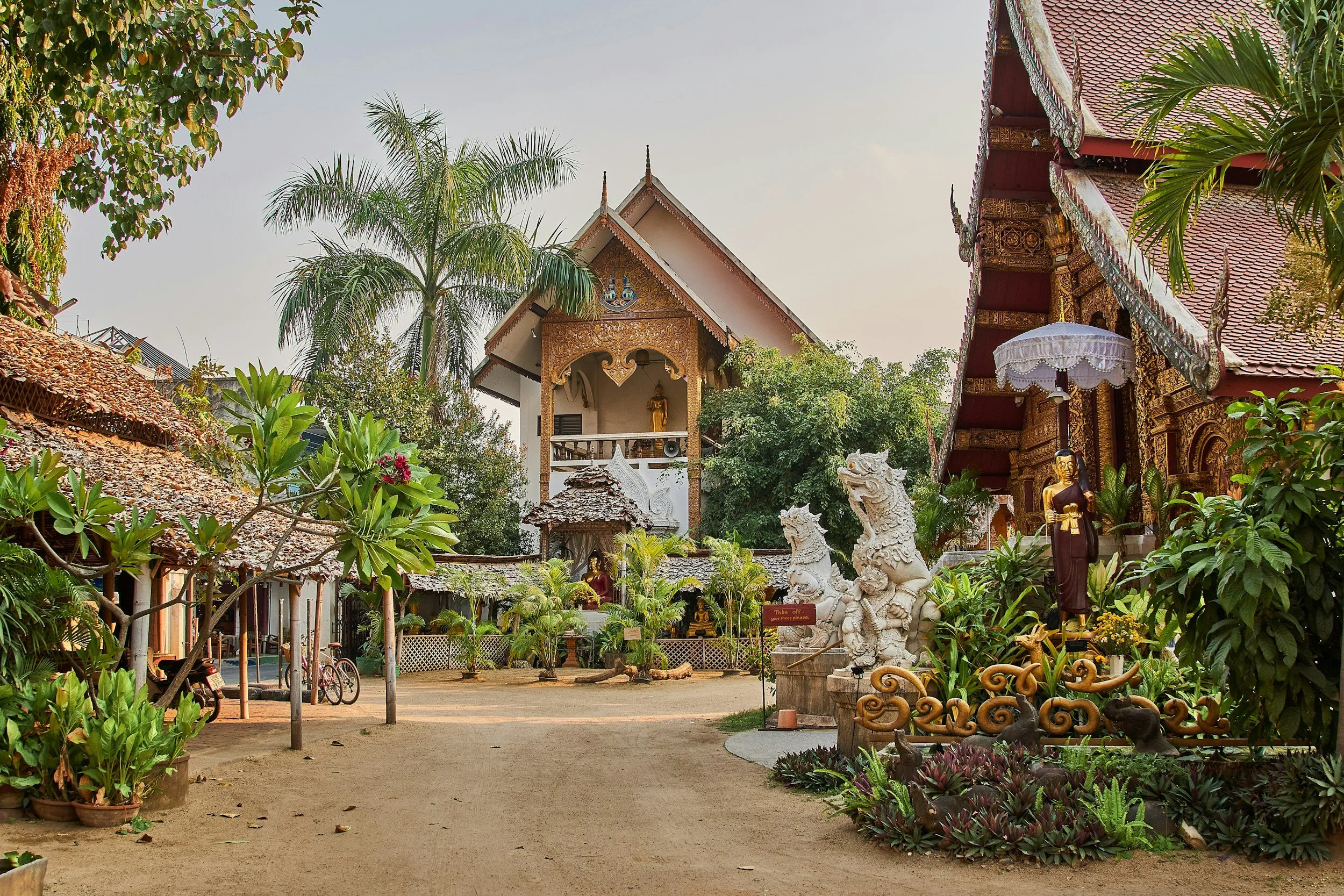
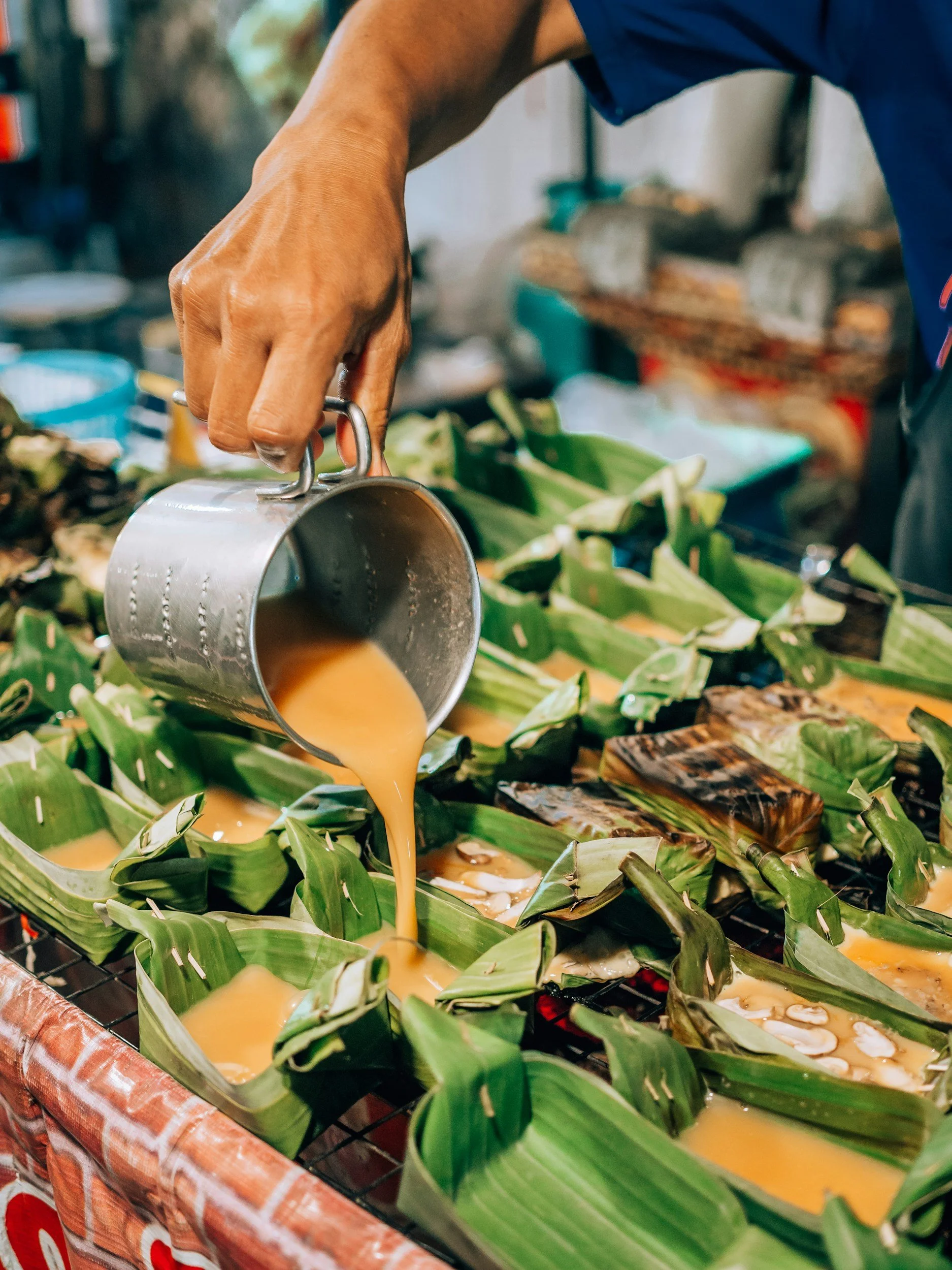
If you think you know Thai food but you’ve only eaten in Bangkok or at home, Northern Flavours in Chiang Mai will happily rewrite your understanding.
Northern Thai cuisine leans into smoky, herbal, and fermented notes. You might taste:
Khao soi, the famous curry noodle soup with crispy toppings.
Sai ua, punchy northern herb sausage.
Relish-like nam prik dips with crunchy vegetables and crackling.
Markets here feel slower and more intimate than in Bangkok. You’ll see how ingredients like herbs, chilies, and preserved pork shape everyday cooking, and how influences from neighboring Myanmar and Laos sneak onto the plate.
Perfect for: Repeat Thailand visitors, spice chasers, and travellers who want to move beyond “pad Thai culture”.
10
Laksa Lanes
Kaula Lumpur, Malaysia

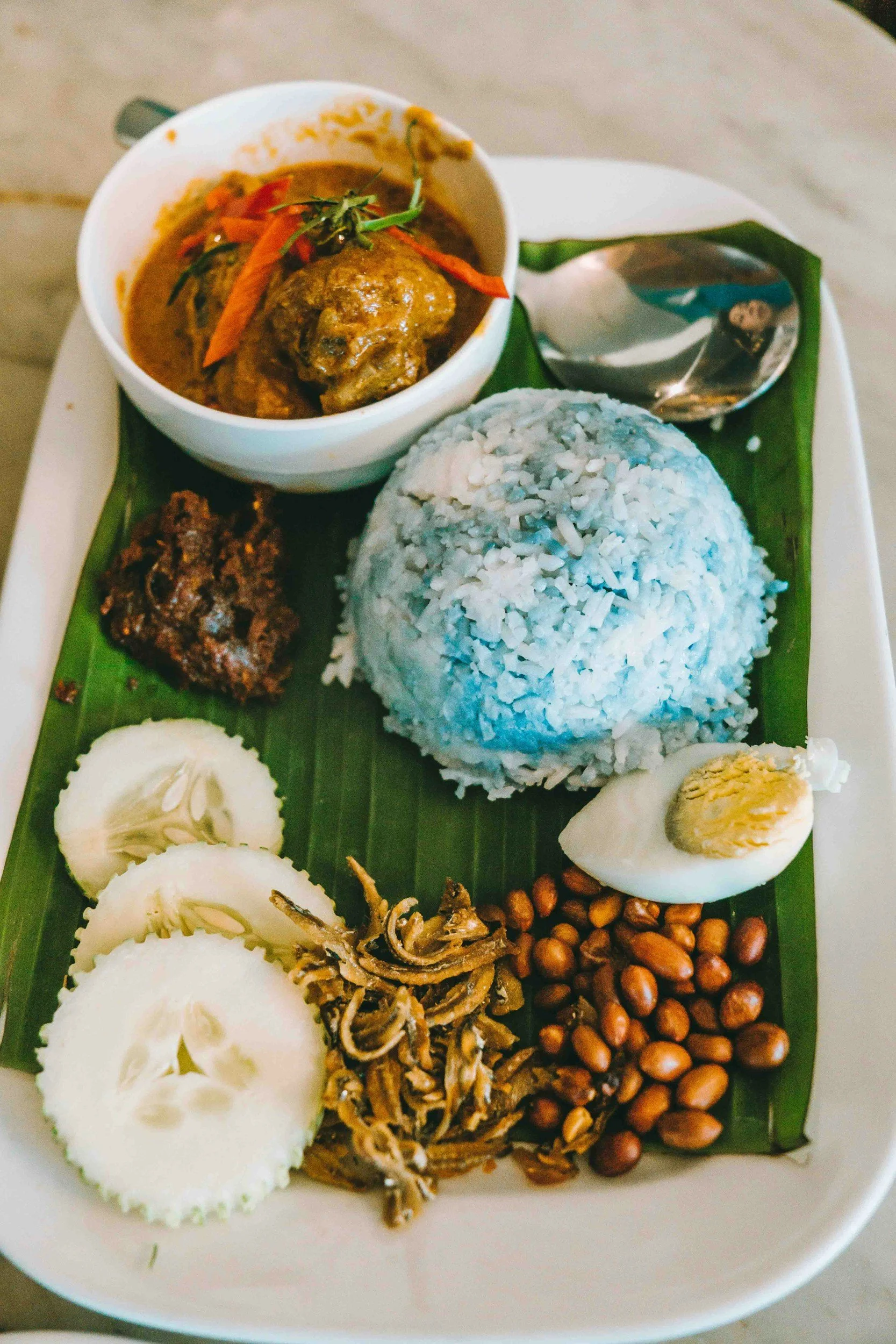
Kuala Lumpur is a crossroads city: Malay, Chinese, and Indian communities overlapping in one concentrated, delicious sprawl. Laksa Lanes celebrates that mix in the most direct way: by walking you through lanes where wok smoke, curry leaves, and grilled satay all coexist.
On this tour, laksa – fragrant, spicy noodle soup – may be your anchor, but it’s rarely alone. Expect:
Thick curry laksa, heavy on coconut and heat.
Maybe a tangier asam laksa, if regional styles are explored.
Street snacks, roti canai, or kopi breaks in between.
You’ll hear how immigration shaped KL’s food, how dishes evolved at kopitiam cafes, and why Malaysian food is impossible to place in just one box.
Perfect for: Fusion lovers, noodle addicts, and travelers excited by cities where cultures (and cuisines) meet.
11
Mekong Meals
Luang Prabang, Laos
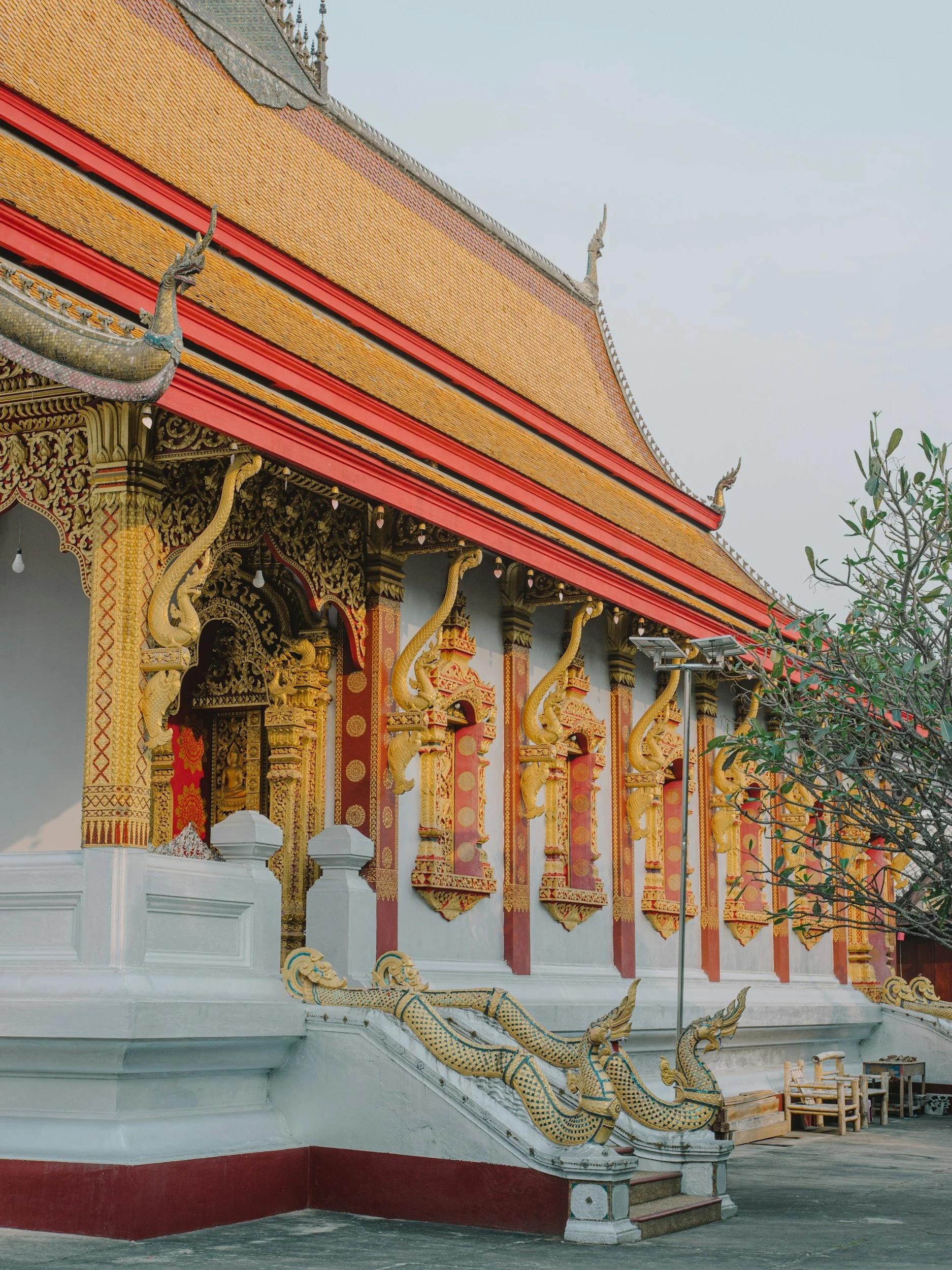
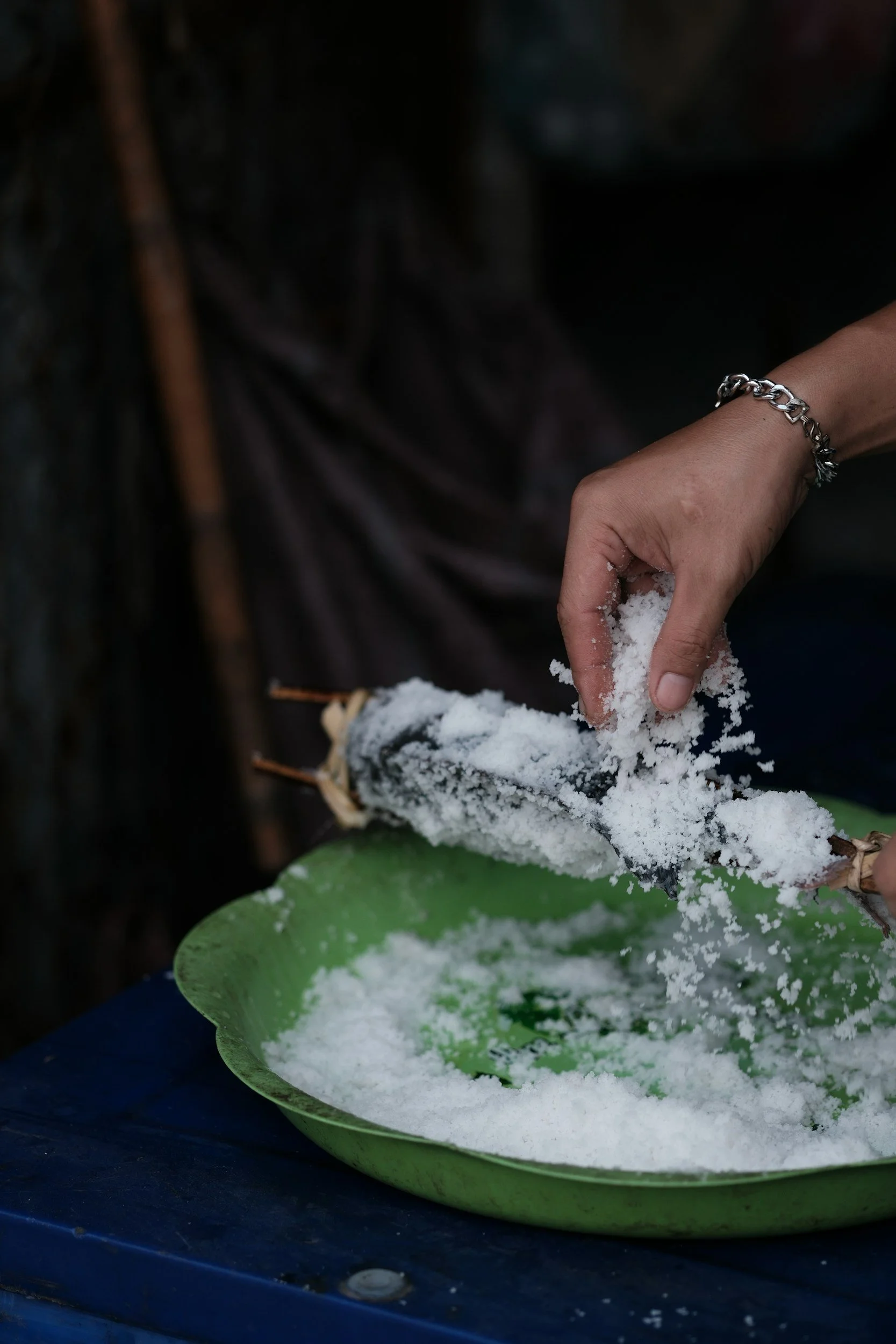
Luang Prabang is often described as “sleepy” or “slow” – and in the best way. That slower pace spills into how people shop, cook, and eat.
Mekong Meals focuses on the food that flows from the river and the jungle: grilled fish, herb-packed sausages, sticky rice with intensely flavoured dips, foraged greens, and preserved ingredients that preserve flavour long past the harvest.
You might:
Wander markets where morning vendors pack up before the day gets too hot.
Learn the etiquette of eating sticky rice and sharing dishes.
See how Buddhism and local beliefs influence food and feasting.
What makes this tour worth traveling for is its intimacy. Laos is often overshadowed by its neighbours, but its food – subtle, herbaceous, and deeply regional – feels like a secret you’re lucky to be let in on.
Perfect for: Slow travellers, river-lovers, and anyone who wants calm with their culinary adventure.
12
Medina Stories
Marrakech, Morocco
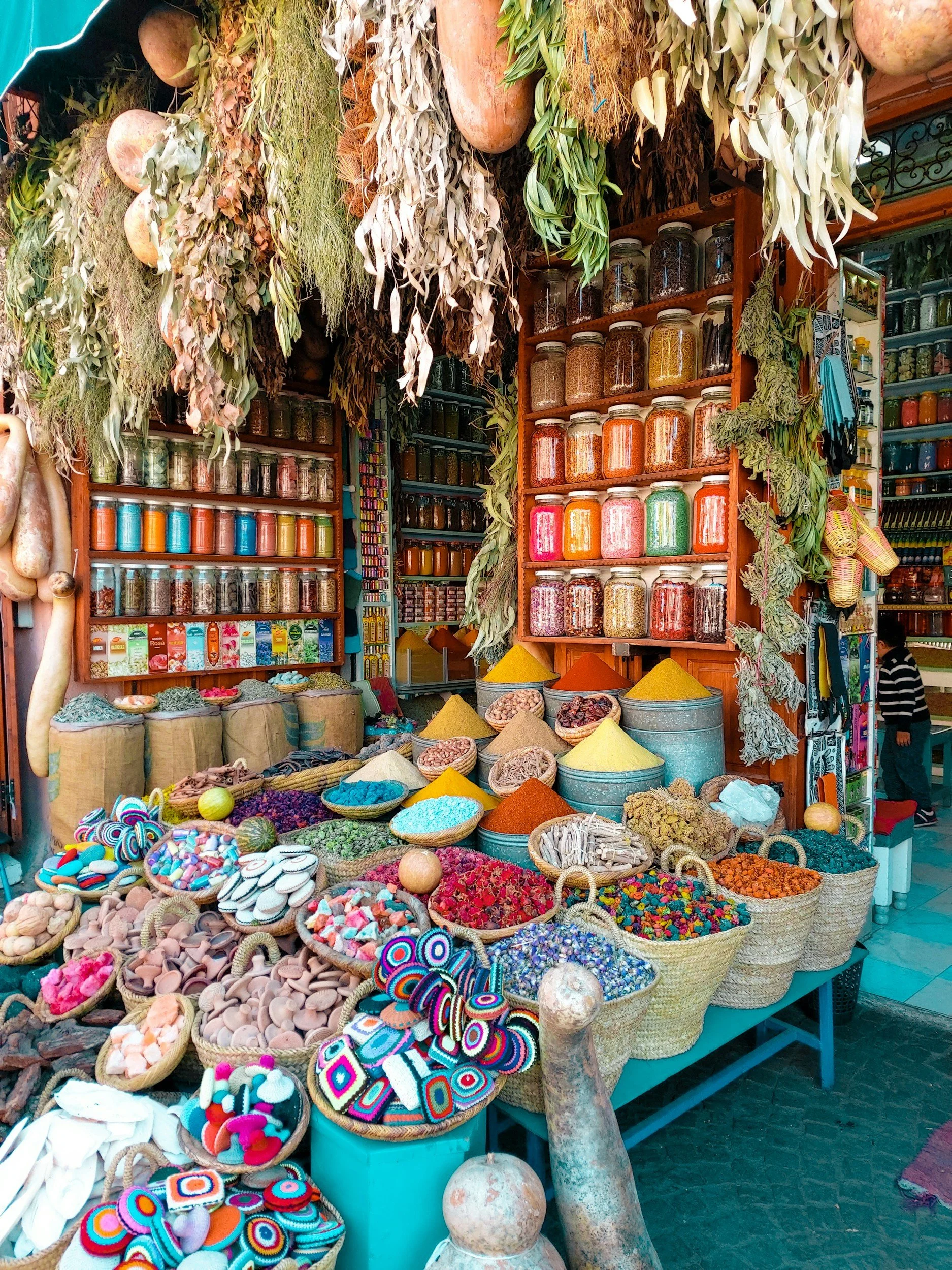
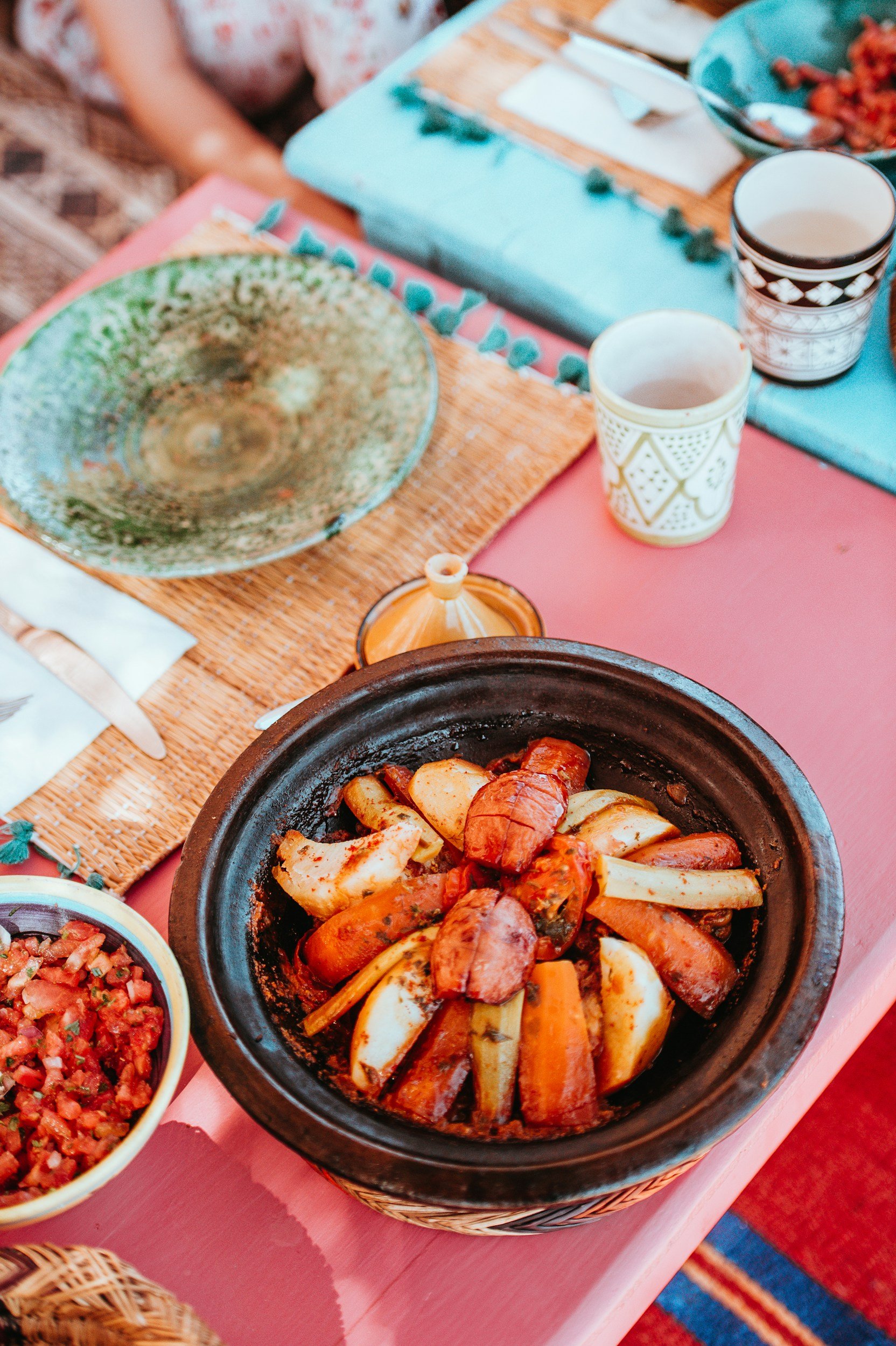
The Marrakech medina is intense in all the best ways: crowds, calls to prayer, spice pyramids, hot grills, bubbling tagines. It’s also incredibly easy to get lost, both physically and culinarily.
Medina Stories acts as a friendly compass. As you wind through the alleys, you’ll taste:
Slow-cooked tagines, perhaps spiced with preserved lemons.
Fresh bread pulled straight from communal ovens.
Street snacks like sfenj (Moroccan doughnuts) or grilled meats.
Your guide unpacks not just what you’re eating, but why it matters: how markets function as community centers, how certain dishes signal celebrations, and why spices hold such symbolic and practical value.
Perfect for: First-time Morocco visitors, sensory seekers, and travelers who love their history served with a side of bread.
13
Yucatán Flavours
Mérida, Mexico
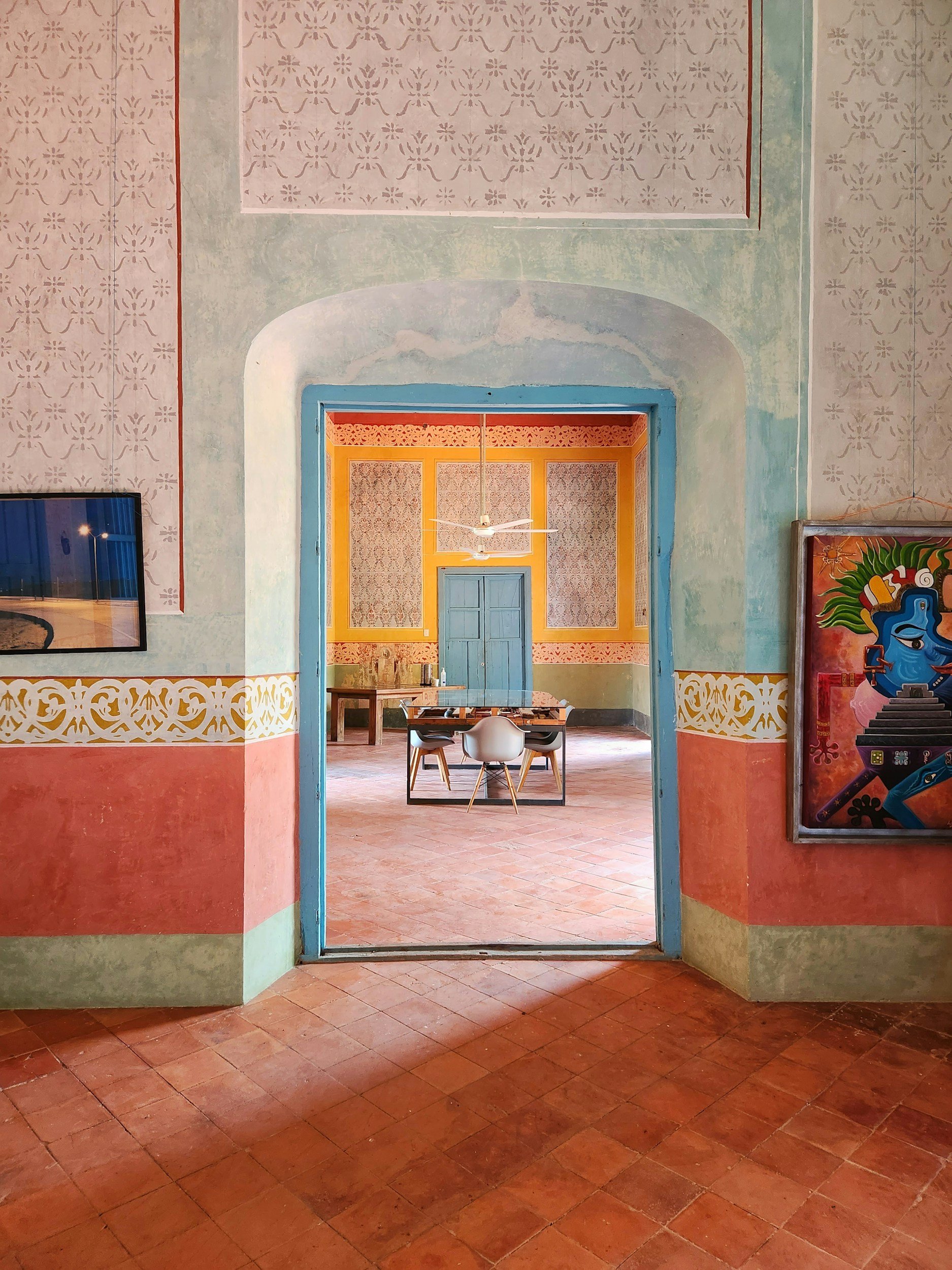
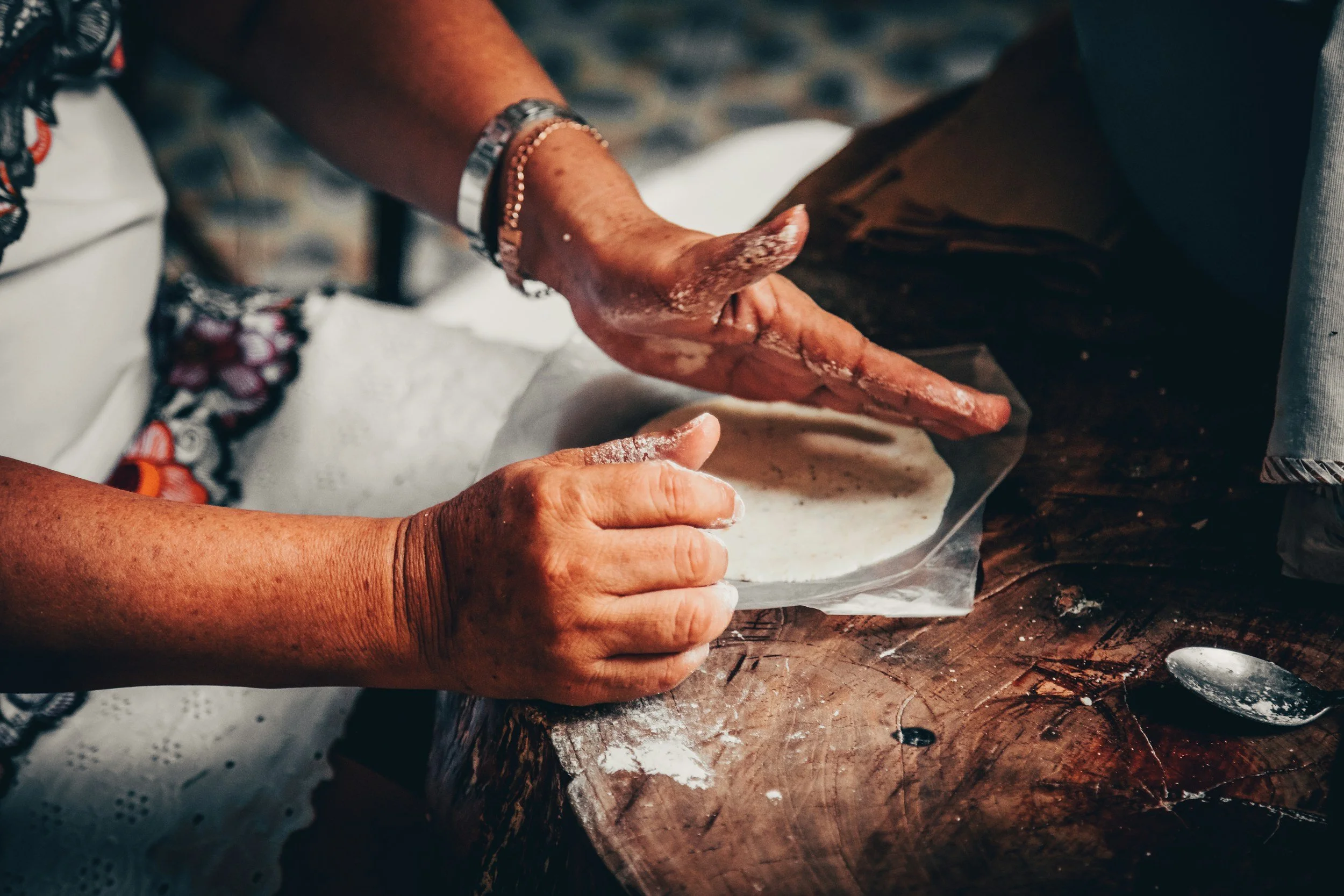
The Yucatán Peninsula has its own distinct identity – geographically, culturally, and culinarily. Yucatán Flavours in Mérida showcases dishes you rarely see outside the region: citrus-marinated pork, smoky recados (spice pastes), and slow-roasted meats cooked in underground pits.
Expect:
Stories of Mayan influences and colonial overlays.
Tortillas and salbutes that highlight local corn.
At least one dish that makes you wonder why you’ve never heard of it before.
The real joy here is understanding that “Mexican food” doesn’t exist as one thing; it’s a mosaic of regional traditions, and the Yucatán is one of its brightest tiles.
Perfect for: Mexico repeat visitors, history fans, and anyone who wants to go beyond tacos (though you’ll probably still get great tacos).
14
Bohemian Bites
Mexico City, Mexico
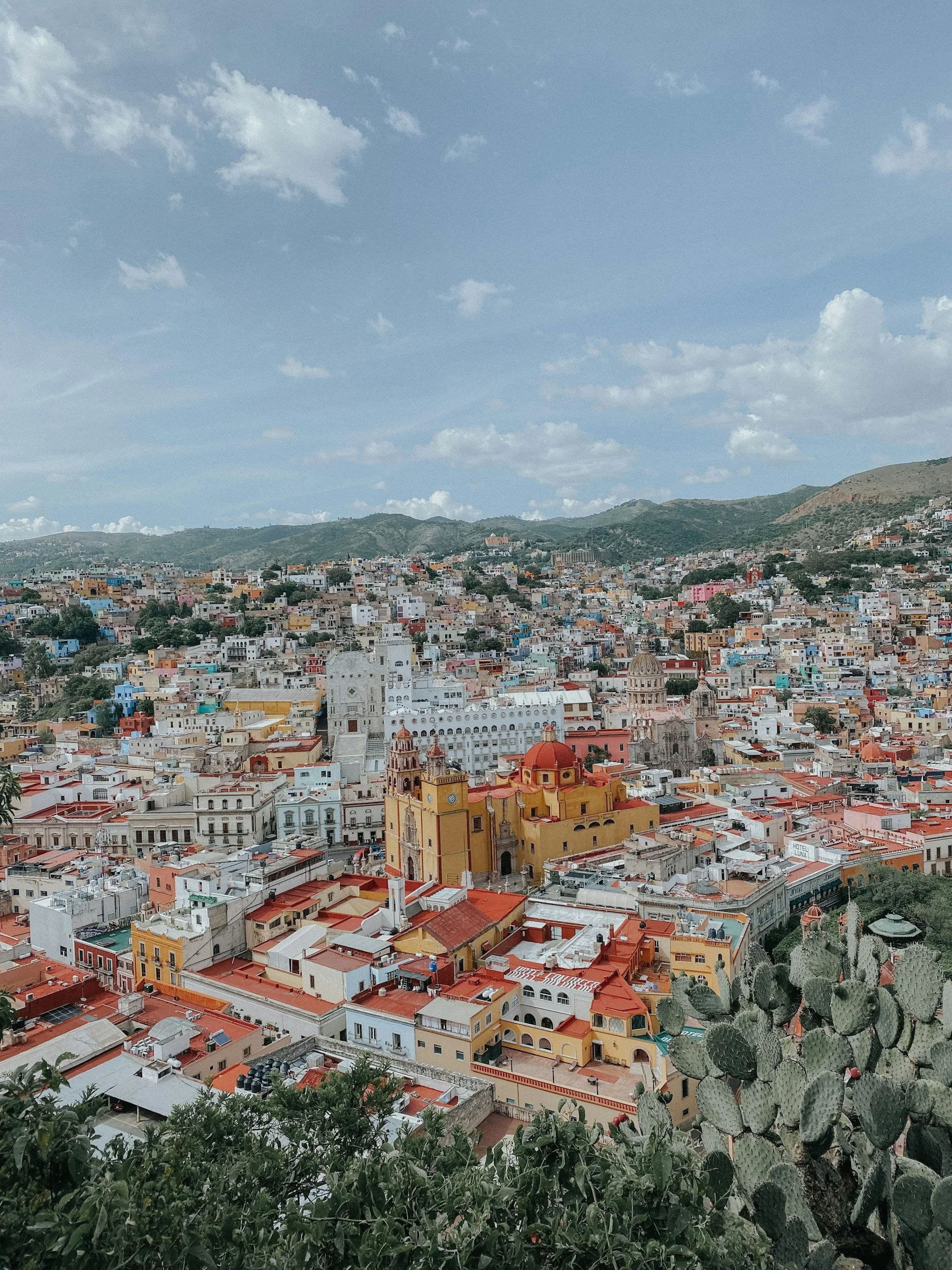
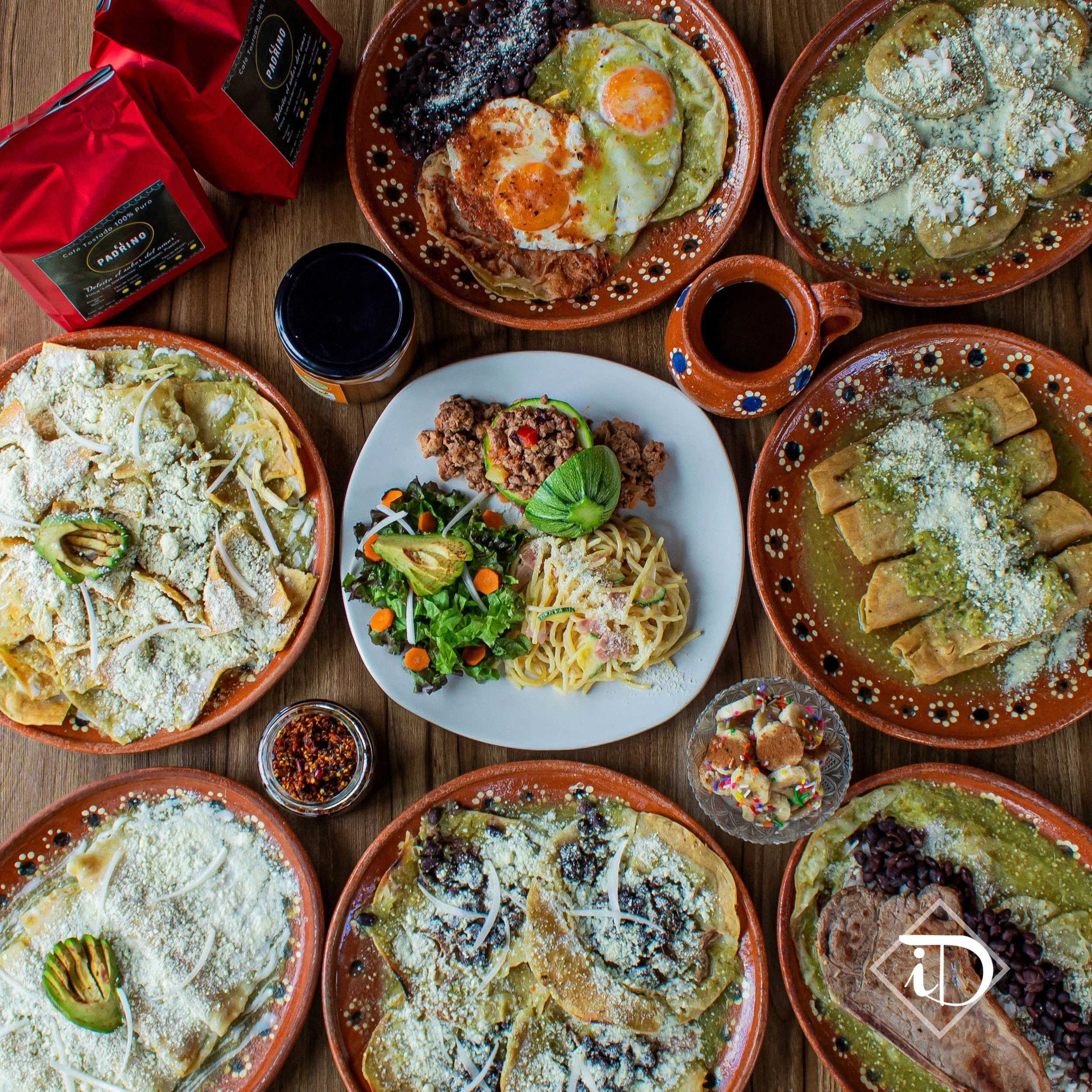
Mexico City is a giant – sprawling, layered, endlessly creative. Bohemian Bites leans into that energy in one of its more artistic, atmospheric neighbourhoods.
Think tree-lined streets, casual cantinas, cozy cafes, street stalls that have fed generations of locals, and a mix of traditional plates with modern twists. You might have:
Tacos that ruin your ability to tolerate mediocre ones back home.
Regional dishes brought into the capital by internal migration.
Drinks and desserts that show off the city’s playful side.
This isn’t about checking off “every must-eat in CDMX” in one night; it’s about seeing how food, art, and everyday life collide in a neighborhood locals actually hang out in.
Perfect for: City lovers, culture-focused travelers, and anyone who’d rather browse a local wine bar than bar-hop in a tourist strip.
15
Parrilla Paths
Buenos Aires, Argentina
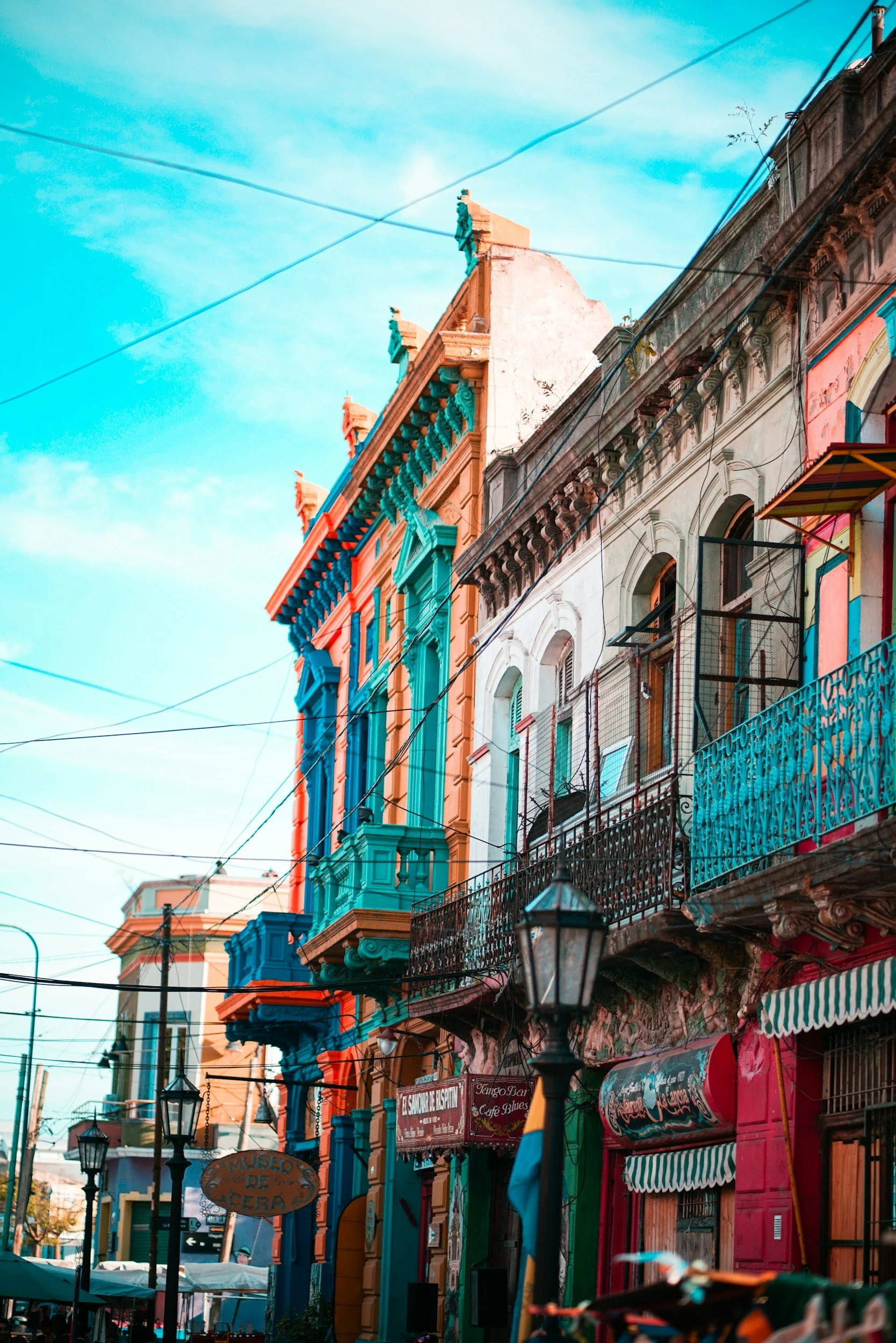
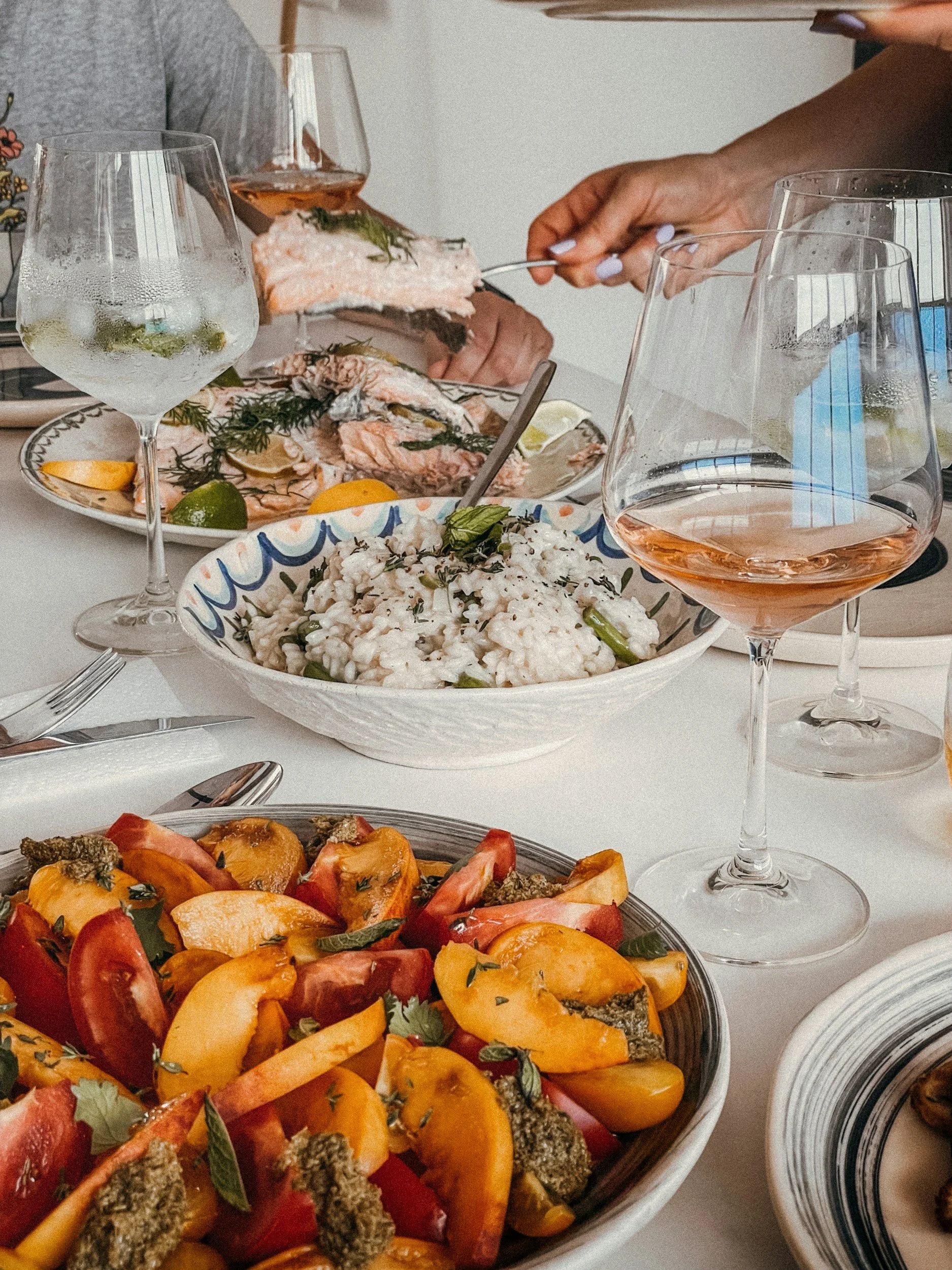
Buenos Aires is tango, yes, but it’s also steak, embers, and long, conversational meals that stretch late into the night. Parrilla Paths leads you through that world of grilled meats, Malbec, and shared plates.
On this tour, expect:
Visits to parrillas (grill restaurants) that locals actually argue about.
Cuts of beef you may not often see at home, cooked simply but perfectly.
Traditional accompaniments like chimichurri, salads, and maybe a sweet finish.
Beyond the food, you’ll get insight into how meat sits at the center of Argentine identity, how family gatherings and football nights look, and why parrillas are as much social spaces as they are restaurants.
Perfect for: Carnivores, wine lovers, and anyone who appreciates meals that are as much about connection as calories.
Final Thoughts: Building a Trip Around a Food Tour
Any one of these 15 food tours could anchor an entire trip. Book your flights, reserve your stay, and know that for at least one day – or night – you’re going to eat incredibly well and walk away understanding the city a little better.
From there, you can build:
A Southeast Asia route around Bangkok, Hanoi, Chiang Mai, and Luang Prabang.
A Latin America loop through Antigua, Bogotá, Mérida, Mexico City, and Buenos Aires.
An Africa and Middle East journey linking Addis Ababa, Cairo, and Marrakech.
However you choose to connect the dots, starting with a locally led food tour means you’re not just tasting a place, you’re letting the people who call it home introduce you properly.